Why Aerospace Manufacturers Rely on CNC Gear Hobbing for Critical Components
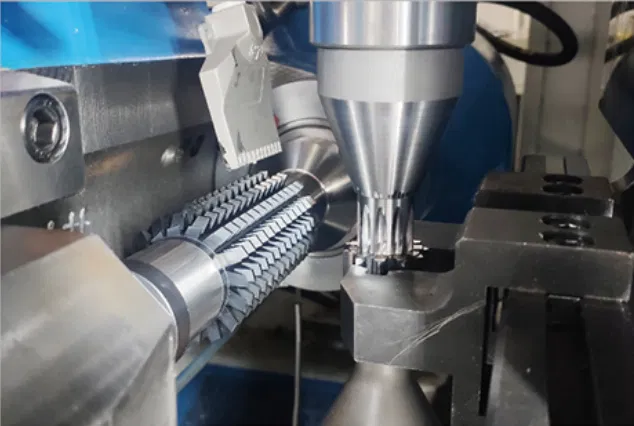
In aerospace manufacturing, the consequences of gear failure are catastrophic. Actuator gears that move control surfaces, gearboxes that drive helicopter rotors, and accessory drives that power aircraft systems are all safety-critical components where zero-defect manufacturing is not optional — it is mandatory. CNC gear hobbing plays a central role in aerospace gear manufacturing, providing the precision, material compatibility, and process documentation capability that this demanding industry requires.
The Aerospace Gear Challenge: Where Hobbing Must Excel
Aerospace gears face conditions that far exceed those of typical industrial applications:
- ● Extreme operating temperatures: From cryogenic cold at altitude to intense heat near engines
- ● Severe weight constraints: Every gram matters in flight; gears must deliver maximum strength-to-weight ratio
- ● Vibration and shock loads: Helicopter gear systems experience enormous cyclical loads
- ● Corrosion resistance: Aerospace gears often operate in humid, salt-laden environments
- ● Ultra-high accuracy: Many aerospace gear specifications call for AGMA 12+ or DIN 3–4 quality levels
Why CNC Hobbing Is Chosen for Aerospace Gear Production
Pre-Grind Quality
CNC hobbing provides the highest-quality pre-ground gear form of any soft-machining process. This minimizes grinding stock and distortion, reducing grinding time and the risk of surface damage (thermal burns) in the subsequent grinding operation.
Exotic Material Compatibility
CNC hobbing can process aerospace alloys including titanium (Ti-6Al-4V), Inconel, 9310 steel, 4340 steel, and case-hardening grades used in aircraft gearboxes — with appropriate tooling and cutting parameters.
Process Traceability
CNC systems log every machining parameter — spindle speed, feed rate, axis positions — for every gear produced. This digital traceability is essential for AS9100 quality management and first-article inspection documentation.
Flank Modification Capability
5-axis and 6-axis CNC hobbing machines can pre-program tip relief, root relief, and helix crowning into the hobbed gear form, reducing the finishing workload for the gear grinder and enabling tighter control of the final gear geometry.
Aerospace Gear Components Produced by CNC Hobbing
| Component | Platform | Material | Post-Hob Process |
|---|---|---|---|
| Main rotor gearbox gears | Helicopter | 9310, 8620 | Carburize + grind |
| Actuator gears | Fixed-wing | 4340, 15-5 PH | Nitriding + grind |
| Accessory drive gears | Jet engine | Pyrowear 53 | Carburize + grind |
| Landing gear actuator splines | Commercial aircraft | 4340, Ti-6Al-4V | Heat treat only |
| UAV drivetrain gears | Unmanned | Al alloy, Ti alloy | No heat treat |
Quality and Certification Requirements in Aerospace Gear Hobbing
📋 AS9100 / EN9100 Quality Management
All aerospace gear production facilities must maintain AS9100 certification. The CNC hobbing machine’s ability to log and export machining data for every part produced is essential for meeting the traceability requirements of this standard.
📋 NADCAP Special Process Approvals
Many aerospace primes require NADCAP approval for special processes associated with aerospace gear production, including heat treatment, non-destructive testing (NDT), and surface treatment.
📋 First Article Inspection (FAI)
Every new gear part number in aerospace requires a comprehensive FAI — including full dimensional inspection, material certification, and process documentation. The CNC hobbing machine’s program documentation capabilities directly support FAI compliance.
Our CNC Hobbing Machine for Aerospace Applications
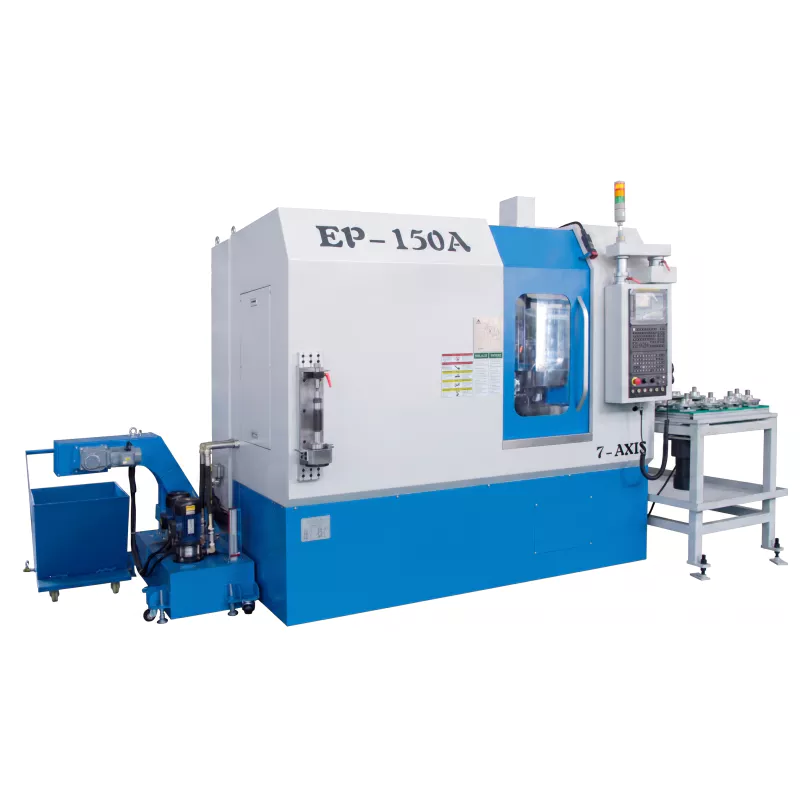
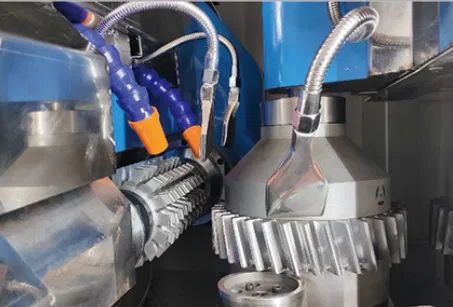
Our CNC Hobbing Machine delivers the precision, flexibility, and process documentation capability required for aerospace gear production. With multi-axis servo control, thermal compensation, and full program storage and data logging, it supports the demanding quality requirements of AS9100 and beyond.
👉 View CNC Hobbing Machine for Aerospace →
👉 Request Aerospace Application Consultation →