Top Factors to Consider When Buying a CNC Gear Hobbing Machine
Buying a CNC gear hobbing machine is a significant capital investment — one that will shape your gear production capability for 15–25 years. Whether you are expanding capacity, replacing aging equipment, or starting a new gear production facility, making the right purchasing decision requires careful evaluation of technical, operational, and financial factors.
This guide covers the top factors experienced gear manufacturers consider before committing to a CNC hobbing machine purchase.
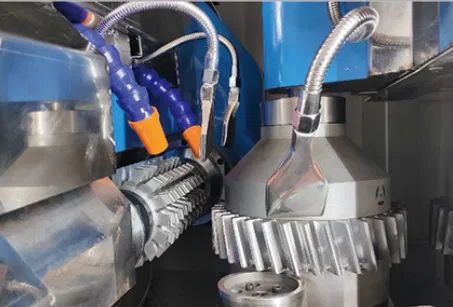
Factor 1: Workpiece Capacity (Size Range)
The most fundamental machine parameter is its workpiece capacity — the maximum gear diameter, face width, and module it can accommodate. Key rules:
- ● Always specify capacity based on your maximum foreseeable gear size, not just current production. Future product lines may require larger gears.
- ● A machine that is slightly oversized (say, 400 mm capacity for current 300 mm gears) provides flexibility without the premium of a very large machine.
- ● Oversizing too far (800 mm capacity for 100 mm gears) reduces accuracy and increases cost — machine stiffness and accuracy scale with table size.
Factor 2: Spindle Power and Torque
Hob spindle power determines the machine’s ability to cut at target speeds in tough materials:
Suitable for small-module gears (m ≤ 3) in aluminum, brass, or soft steel. Common in instrument and medical gear production.
General industrial gears in alloy steel, module 2–8. The most common category for automotive and industrial gearbox production.
Large module gears (m > 8) in tough alloy steels. Wind turbine, mining, and marine gearbox production.
Factor 3: Accuracy and Repeatability
🔍 What to Look for in Machine Accuracy Specifications
Machine accuracy is specified by the manufacturer in terms of axis positioning accuracy and repeatability (typically ±0.001–0.003 mm for precision hobbers), spindle run-out (typically 1–3 µm), and gear quality class achieved in a standardized test cut. Ask manufacturers for actual test gear inspection reports, not just specification claims.
🔍 Repeatability Over Time
Accuracy at first delivery is only part of the story. Ask how the machine maintains accuracy as it warms up and over its lifetime. Look for thermal compensation systems, high-quality linear guides (roller or hydrostatic), and robust spindle bearing specifications.
Factor 4: Dry vs. Wet Hobbing Capability
| Criterion | Wet Hobbing Machine | Dry Hobbing Machine |
|---|---|---|
| Coolant system | Full flood coolant required | No coolant (or MQL) |
| Cutting speed | 50–150 m/min (HSS) | 200–500 m/min (carbide) |
| Operating cost | Higher (coolant management) | Lower (no coolant disposal) |
| Thermal challenge | Coolant manages heat | Machine must manage heat |
| Best application | Large module, varied materials | Automotive, high-volume small gears |
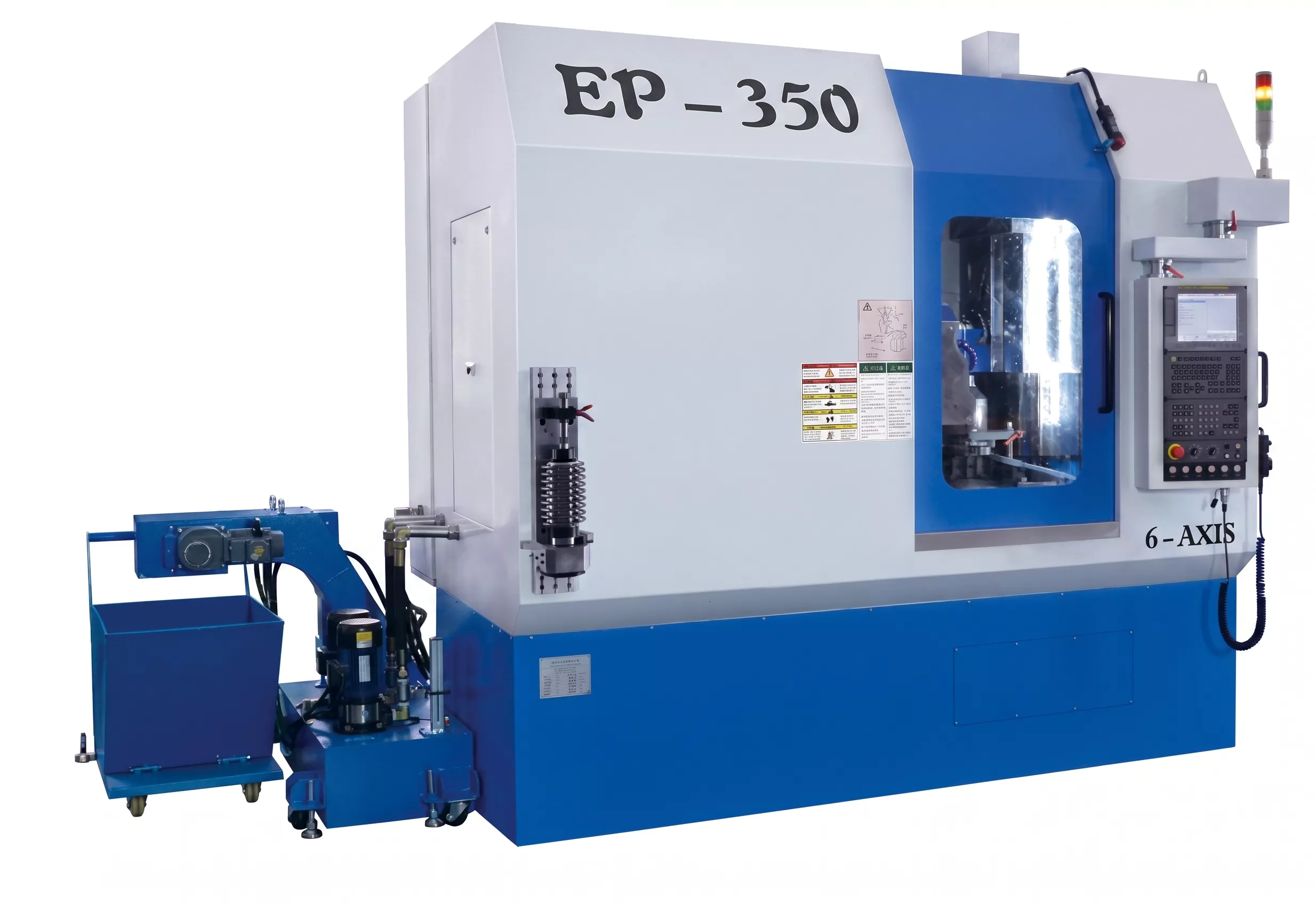
Factor 5: Automation Integration
Consider whether the machine must integrate with an automated production line:
- ● Loading interface: Robot-compatible part-pick positions, standardized part gripper interfaces, inter-lock signals for gantry/robot integration.
- ● Downstream connectivity: PROFIBUS, EtherCAT, or OPC-UA interfaces for machine data collection and integration with MES/ERP systems.
- ● Part washing: Is a wash station required? Can it be integrated inline or must parts be moved to a separate station?
Factor 6: Total Cost of Ownership (TCO)
The purchase price is only the beginning. Key TCO components:
- ● Hob tooling costs: Carbide hobs cost more than HSS but last much longer in dry hobbing. Calculate cost per part, not cost per hob.
- ● Energy consumption: Compare servo drive efficiency ratings and spindle motor efficiency at target operating points.
- ● Maintenance cost: Preventive maintenance intervals, scheduled service costs, and estimated unplanned downtime rates.
- ● Coolant cost (wet hobbing): Coolant purchase, maintenance, and disposal can add significantly to operating cost over the machine’s life.
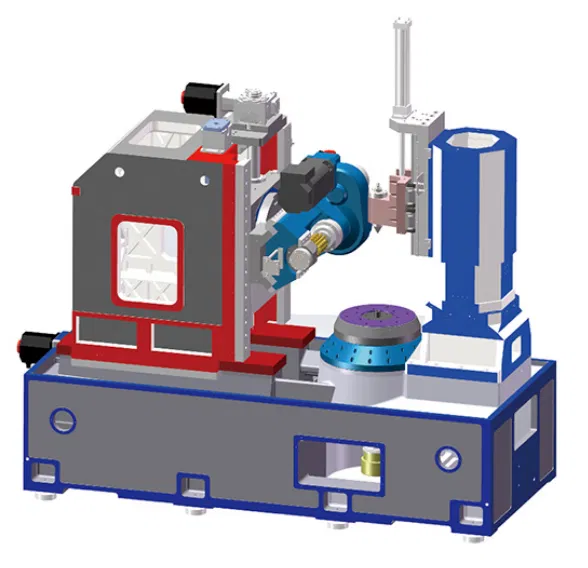
Our CNC Hobbing Machine
Our CNC Hobbing Machine is designed with all these factors in mind — offering competitive specifications, proven accuracy, automation-ready design, and comprehensive after-sales support. We provide full technical consultation to help you select the right configuration for your specific application.
👉 View CNC Hobbing Machine Specifications →
👉 Request a Detailed Machine Proposal →