Hob Cutter Selection Guide for CNC Hobbing Machines: Material, Coating & Geometry
The hob cutter is the most critical consumable in any CNC hobbing operation. The right hob selection directly determines gear quality, cycle time, and tooling cost per piece. A mismatch between the hob and the application — wrong material, inadequate coating, or incorrect geometry — leads to premature wear, poor surface finish, or compromised gear accuracy. This comprehensive guide helps you select the optimal hob for your CNC hobbing machine and application.
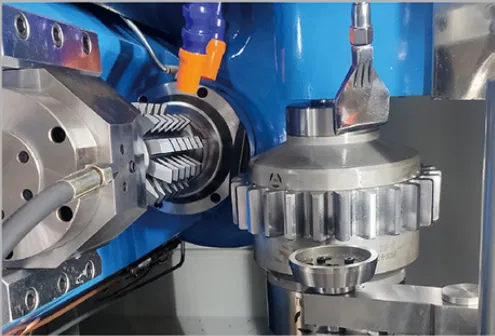
Part 1: Hob Substrate Material
The hob substrate material determines the hob’s hardness, toughness, and compatibility with different cutting conditions:
⚙ HSS (High-Speed Steel)
Grade: M2, M35, M42
Hardness: 63–65 HRC
Best for: Wet hobbing, general steel, lower cutting speeds (50–120 m/min)
Advantages: Lower cost, tougher (resists chipping on interrupted cuts), easy to re-sharpen
Limitations: Not suitable for dry hobbing or cutting speeds >150 m/min
⚙ PM-HSS (Powder-Metallurgy HSS)
Grade: ASP2030, ASP2052, CPM Rex M4
Hardness: 66–68 HRC
Best for: Wet/MQL hobbing, higher alloy steels, speeds up to 180 m/min
Advantages: Better wear resistance than conventional HSS; finer carbide structure improves edge quality
Limitations: Higher cost than conventional HSS; still not suitable for high-speed dry hobbing
⚙ Solid Carbide
Grade: K10–K30, ultra-fine grain
Hardness: 89–93 HRA
Best for: Dry hobbing, high cutting speeds (200–500 m/min), small-module precision gears
Advantages: Highest cutting speed; essential for automotive dry hobbing production
Limitations: High cost; brittle (sensitive to interrupted cuts); requires rigid machine
Part 2: Hob Coating
Coating dramatically extends hob life and enables higher cutting speeds by reducing friction and heat transfer into the hob substrate. The main coating options:
| Coating | Max Service Temp. | Best Application | Relative Life vs. Uncoated |
|---|---|---|---|
| TiN (Titanium Nitride) | 500°C | General wet hobbing, steel | 3–4× |
| TiCN (Titanium Carbonitride) | 450°C | Cast iron, aluminum, wet hobbing | 4–5× |
| TiAlN (Titanium Aluminum Nitride) | 800°C | Dry hobbing of steel, stainless | 5–8× |
| AlTiN (Aluminum Titanium Nitride) | 900°C | High-speed dry hobbing, difficult alloys | 6–10× |
| TiSiN / AlCrN | 1000°C+ | Extreme-speed dry hobbing, Inconel, Ti alloys | 8–15× |
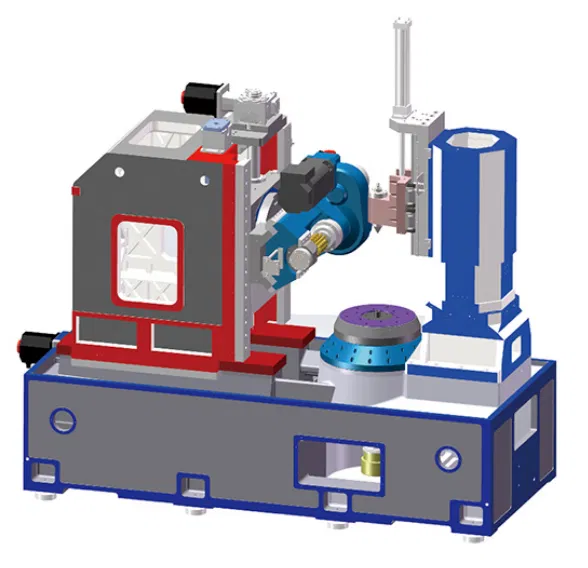
Part 3: Hob Geometry
⚙ Number of Starts
A single-start hob produces one tooth space per hob revolution (relative to the workpiece ratio). A multi-start hob (2–4 starts) cuts faster because fewer workpiece rotations are needed per axial pass — but produces slightly coarser pitch accuracy. Multi-start hobs are used for high-volume roughing; single-start for finishing and high-accuracy gears.
⚙ Number of Gashes (Flutes)
More gashes = more cutting teeth per revolution = smoother cut and longer hob life per regrind. Fewer gashes = larger chip gullet = better chip evacuation for heavy cuts. Large-module hobbing typically uses 8–12 gashes; small-module, fine-pitch hobbing may use 14–18 gashes.
⚙ Rake Angle
Positive rake angles (5–10°) reduce cutting forces and are used for soft materials (aluminum, brass, soft steel). Neutral or slight negative rake (0° to -5°) provides better edge strength for hardened or abrasive materials. Carbide hobs typically use neutral to slight negative rake for edge stability at high speeds.
⚙ Relief Angle
The relief angle behind the cutting edge determines how much material can be removed per regrind (more relief = more regrinds possible) vs. edge strength (less relief = stronger edge). Typical relief angles range from 8° to 15° depending on the application and expected number of regrinds.
Hob Selection Decision Guide
| Application | Substrate | Coating | Starts |
|---|---|---|---|
| Automotive dry hobbing (steel) | Solid carbide | TiAlN / AlTiN | 1–2 |
| Industrial gearbox (wet) | PM-HSS | TiAlN | 1 |
| Large module (m>8, wet) | HSS or PM-HSS | TiN or TiAlN | 1 |
| Aluminum / brass gears | HSS | Uncoated or TiCN | 1–3 |
| Stainless steel gears | PM-HSS or carbide | AlTiN | 1 |
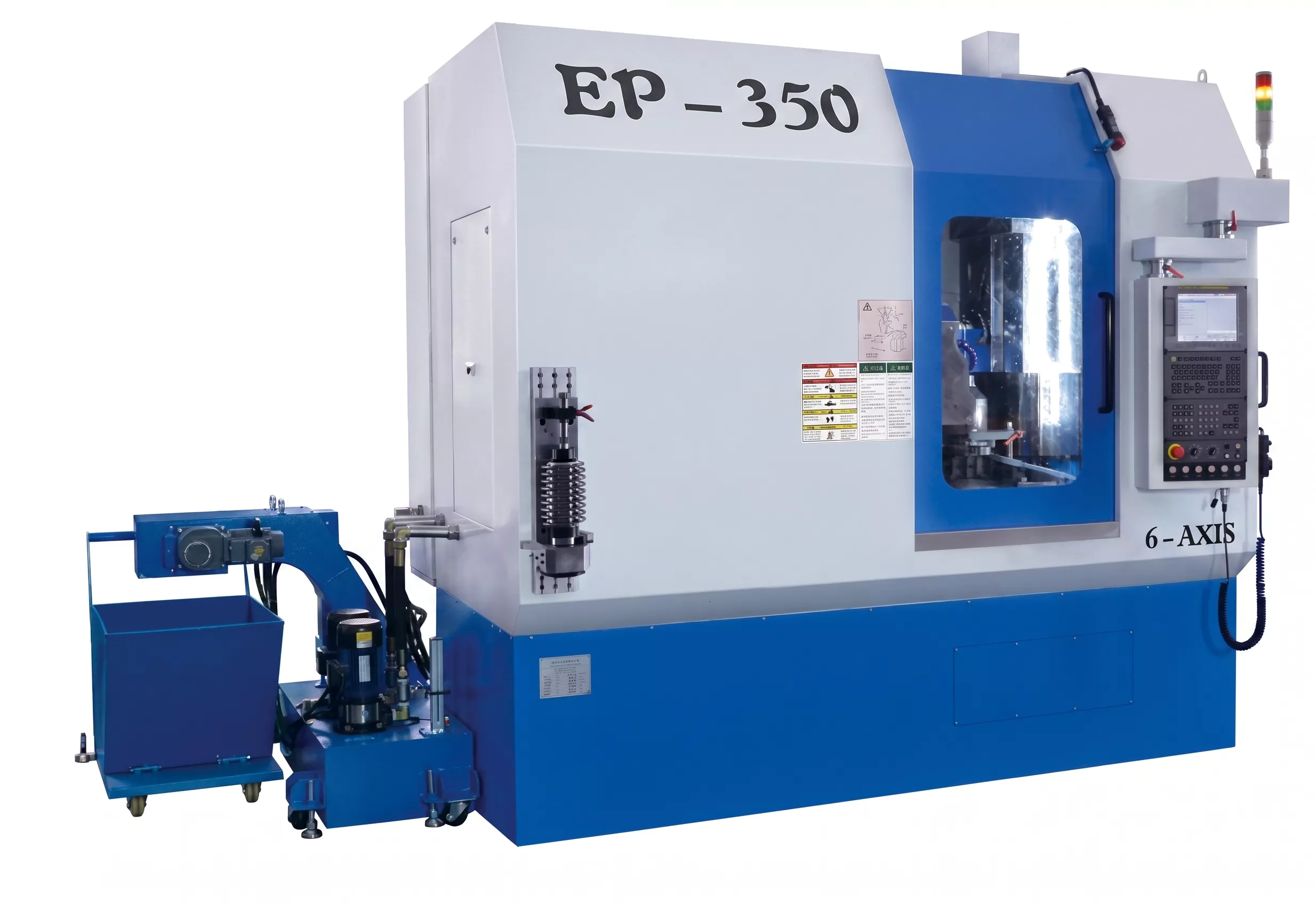
Our CNC Hobbing Machine — Compatible With All Major Hob Systems
Our CNC Hobbing Machine is designed to accept standard arbor-type hobs across a wide range of diameters and lengths, compatible with HSS, PM-HSS, and solid carbide hob systems from all major tooling manufacturers.
👉 View CNC Hobbing Machine Tooling Compatibility →
👉 Request Hob Selection Advice for Your Application →