Maximizing CNC Hobbing Machine Productivity: Tips for High-Volume Gear Cutting
In high-volume gear production, small improvements in cycle time, tool life, and machine utilization compound into enormous gains in profitability. A CNC hobbing machine that runs at 85% utilization instead of 70% produces 21% more gears from the same capital investment. A hob that lasts 20% longer reduces tooling cost per piece by the same margin. This guide provides practical, actionable tips for maximizing CNC hobbing productivity in demanding high-volume environments.
1. Optimize Cutting Parameters
Cutting speed and axial feed are the two parameters with the greatest impact on both cycle time and tool life. Finding the optimal combination requires systematic process development:
Increase cutting speed systematically
Many shops run at conservative cutting speeds from the tooling recommendation. A 10–15% speed increase is often possible with coated carbide hobs without measurable tool life reduction — and directly reduces cycle time.
Maximize axial feed
Axial feed is often the primary cycle time driver for wide-face gears. Push feed as high as surface finish and gear quality allow. For roughing passes, a heavy feed followed by a light finishing pass is often faster than two medium feeds.
Use climb hobbing
Climb (down) hobbing produces better surface finish at the same feed rate compared to conventional hobbing, allowing higher feeds for a given surface finish target — shortening cycle time while maintaining quality.
2. Implement Automatic Hob Shift Strategy
⚙ What Is Hob Shift and Why Does It Matter?
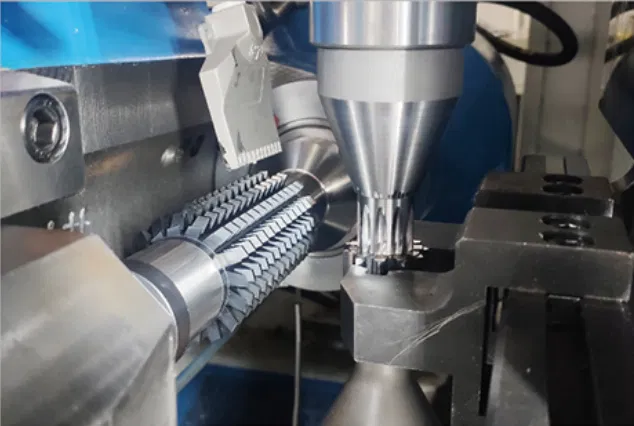
Hob shift (Y-axis) moves the hob tangentially to bring fresh cutting teeth into the active cutting zone. Without shift, the same teeth cut every gear, concentrating wear rapidly. With systematic shift, wear is distributed across all hob teeth — multiplying hob life by 3–5×. In high-volume production, hob tooling cost per piece is a significant expense; optimizing shift strategy directly reduces this cost.
⚙ Choosing the Right Shift Amount
The optimal shift amount per piece (or per batch) balances even wear distribution against the available hob length. Too small a shift distributes wear unevenly; too large a shift exhausts the hob before wear is uniform. Work with your hob supplier to develop a shift schedule that maximizes hob life for your specific application.
3. Minimize Non-Cutting Time
In high-volume production, non-cutting time (loading, unloading, approach, retract, hob change) can be a larger fraction of total cycle time than the actual cutting pass. Strategies to minimize it:
- ● Automate loading/unloading: Robot or gantry loading eliminates operator wait time and enables overlapping of load/unload with the previous/next machining cycle.
- ● Optimize approach and retract: Program maximum safe rapid traverse speeds for non-cutting moves. A few seconds saved per piece adds up to hours per shift.
- ● Rapid hob change: Quick-change hob arbor systems reduce hob change time from 20–30 minutes to under 5 minutes.
- ● Parallel setup: Prepare the next hob assembly while the machine runs. Never have the machine waiting for the operator to assemble tooling.
4. Maximize Machine Utilization
| Utilization Driver | Improvement Action | Typical Gain |
|---|---|---|
| Unplanned downtime | Implement TPM (Total Productive Maintenance) program | 5–15% utilization increase |
| Changeover time | SMED approach: standardize tooling, pre-set hobs off-machine | 50–80% changeover reduction |
| Unmanned running | Add robot loading + tool wear monitoring for lights-out operation | +8 hrs/day effective production |
| Scrap and rework | Implement SPC on key gear parameters; in-process probing | 1–3% yield improvement |
5. Hob Coating and Material Selection
The hob is the consumable that most directly impacts productivity per piece. Selecting the right hob for your application is as important as machine parameter optimization:
- ● PM-HSS hobs: Best for general wet hobbing; lower cost, good toughness.
- ● Solid carbide hobs: Required for high-speed dry hobbing. Higher initial cost offset by much longer life and faster speeds.
- ● TiAlN / TiSiN coatings: State-of-the-art coatings for dry hobbing of hardened and difficult materials. Significantly extend cutting speed and tool life vs. uncoated or TiN-coated hobs.
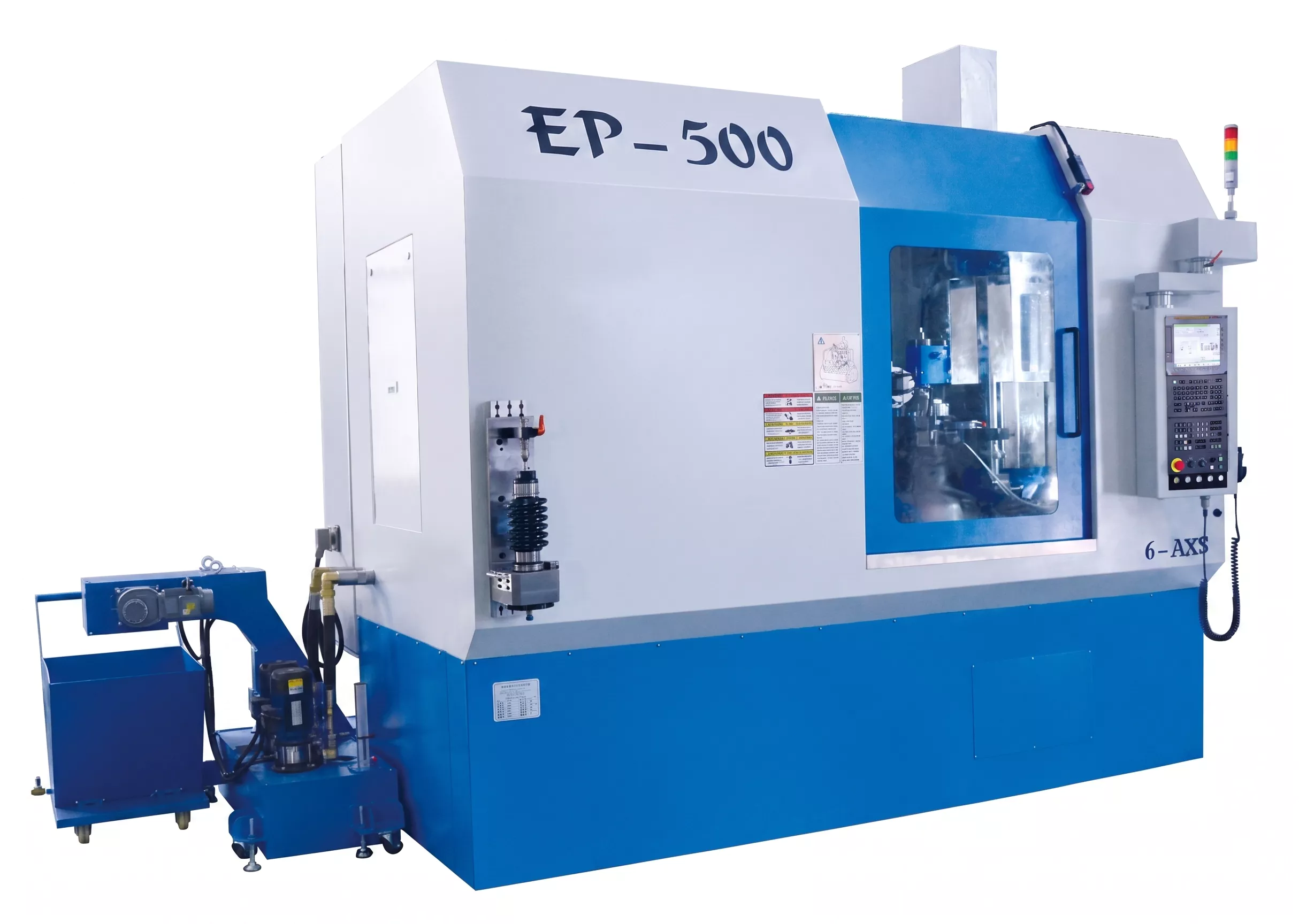
Our High-Productivity CNC Hobbing Machine
Our CNC Hobbing Machine is engineered for high-volume production environments where productivity is paramount — with optimized axis dynamics for fast approach/retract, automatic hob shift, automation-ready design, and comprehensive diagnostic capabilities for proactive maintenance.
👉 Explore High-Productivity Hobbing Machine →
👉 Discuss Your Productivity Goals With Our Team →