How to Choose the Right CNC Hobbing Machine for Your Production Line
Selecting the right CNC hobbing machine is one of the most important capital equipment decisions a gear manufacturer makes. The right machine — properly specified for your gear types, volumes, accuracy requirements, and budget — will deliver years of productive, profitable operation. The wrong machine will create bottlenecks, quality problems, and hidden costs that impact your competitiveness for its entire service life.
This comprehensive guide walks you through the key decision criteria, helping you build a specification that precisely matches your production requirements.
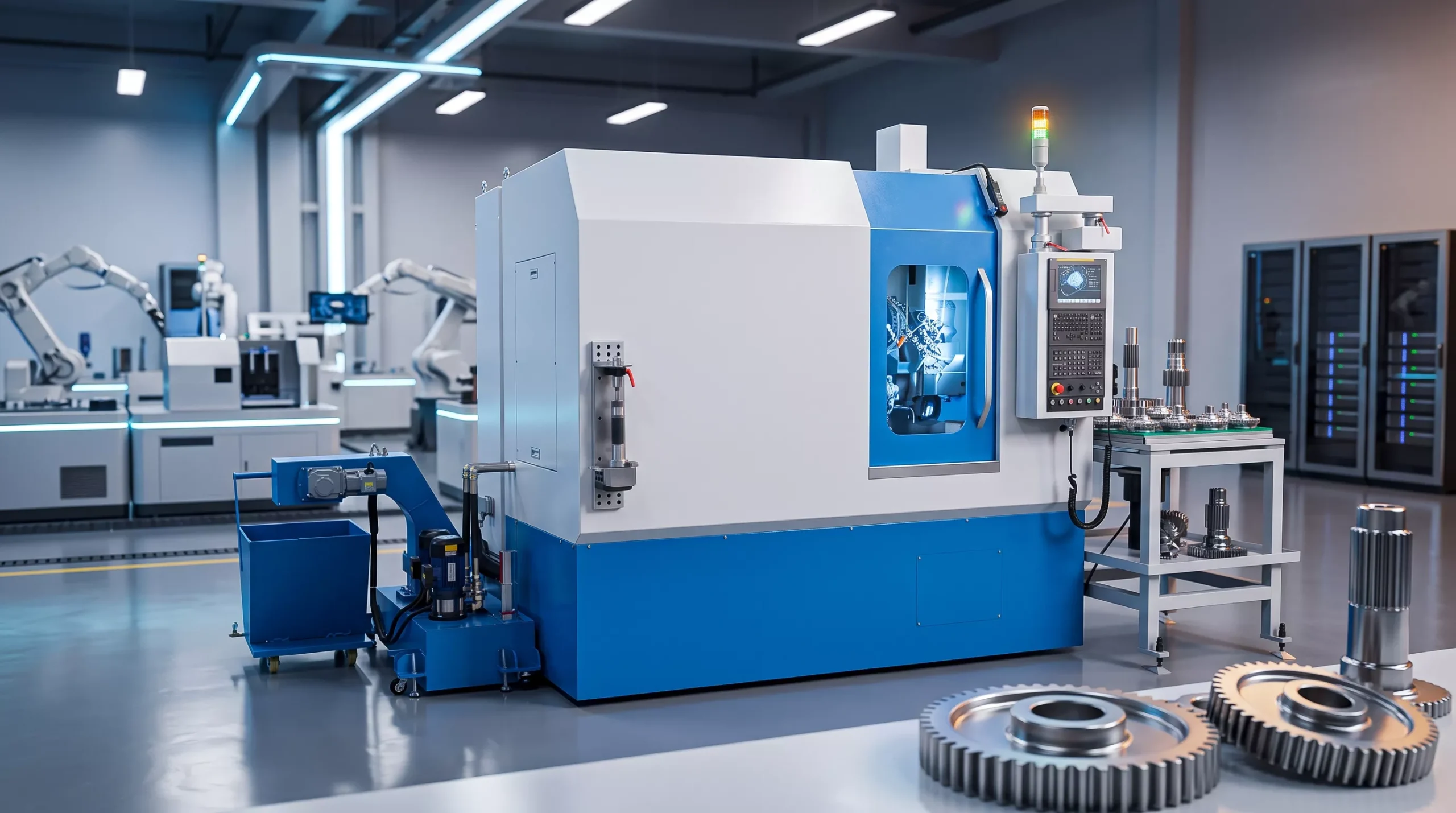
Step 1: Define Your Gear Specifications
The starting point for any machine selection is a thorough analysis of the gears you need to produce — now and in the foreseeable future. Key gear parameters to document:
| Parameter | Why It Matters for Machine Selection |
|---|---|
| Maximum module | Determines hob diameter, spindle power, and machine rigidity required |
| Maximum workpiece diameter | Sets the minimum worktable size and X-axis travel range |
| Maximum face width | Sets the minimum Z-axis travel |
| Maximum helix angle | Sets the required A-axis (hob head) swivel range |
| Required accuracy class | Determines machine precision grade and quality of guideway and spindle systems |
| Gear types | Spur/helical only → 4-axis; worm wheels → radial/tangential capability; crowned → 6-axis |
| Material | Alloy steel → high spindle power; aluminum/plastics → lighter-duty machine sufficient |
Step 2: Define Your Production Requirements
📈 Annual Volume and Batch Size
High annual volumes (>100,000 gears/year) justify investing in a fully automated machine with robot loading and integrated deburring. Low volumes (job shop, make-to-order) may be better served by a flexible, manually loaded machine with fast changeover capability.
⛽ Number of Different Part Numbers
A machine that must handle many different gear types needs large program memory, fast changeover tooling, and a broad hob size range. If you run one or two part numbers at high volume, a dedicated machine optimized for those specific gears may offer lower cycle times.
⏰ Cycle Time Target
Calculate the required cycle time from your annual volume, planned shifts, and machine utilization target. If cycle time is critical, specify dry hobbing capability and automatic loading — these two features often halve the effective cost per piece.
Step 3: Choose the Right Machine Configuration
4-Axis Vertical Hobber
Best for: High-volume spur and helical gear production; automotive and general industrial. Excellent automation compatibility. Most cost-effective per piece at high volumes.
5-Axis Vertical or Horizontal Hobber
Best for: Medium-to-high volume production with automatic hob shift requirement; diagonal hobbing. Good balance of versatility, tool life, and cycle time.
6-Axis Horizontal Hobber
Best for: Crowned gears, variable-lead worms, precision aerospace/EV gears, complex flank modification. Highest versatility and precision capability.
Large Horizontal Hobber
Best for: Heavy industrial, wind energy, mining — large module, large diameter gears. High spindle power and robust workpiece support.
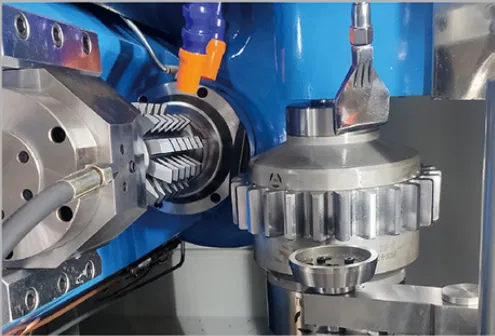
Step 4: Evaluate the CNC Controller and Software
- ● Platform: FANUC, Siemens, and Mitsubishi are the dominant platforms. FANUC has the largest global service network. Siemens offers strong synchronous axis functions. Consider your team’s existing CNC experience.
- ● Gear-specific programming wizard: Good hobbing-specific software lets operators define gears by specification (module, teeth, helix angle) rather than G-code, reducing setup errors dramatically.
- ● Remote monitoring and diagnostics: Industry 4.0-ready machines with Ethernet connectivity allow remote monitoring of spindle load, axis position, alarm history, and production counts — enabling proactive maintenance and SPC integration.
Step 5: After-Sales Support and Spare Parts
A CNC hobbing machine is a long-term investment — 20+ years in many cases. Evaluate:
- ● Local technical service availability and response time
- ● Spare parts availability and lead times for critical components
- ● Training programs for operators and maintenance staff
- ● Retrofit and upgrade pathways as your production evolves
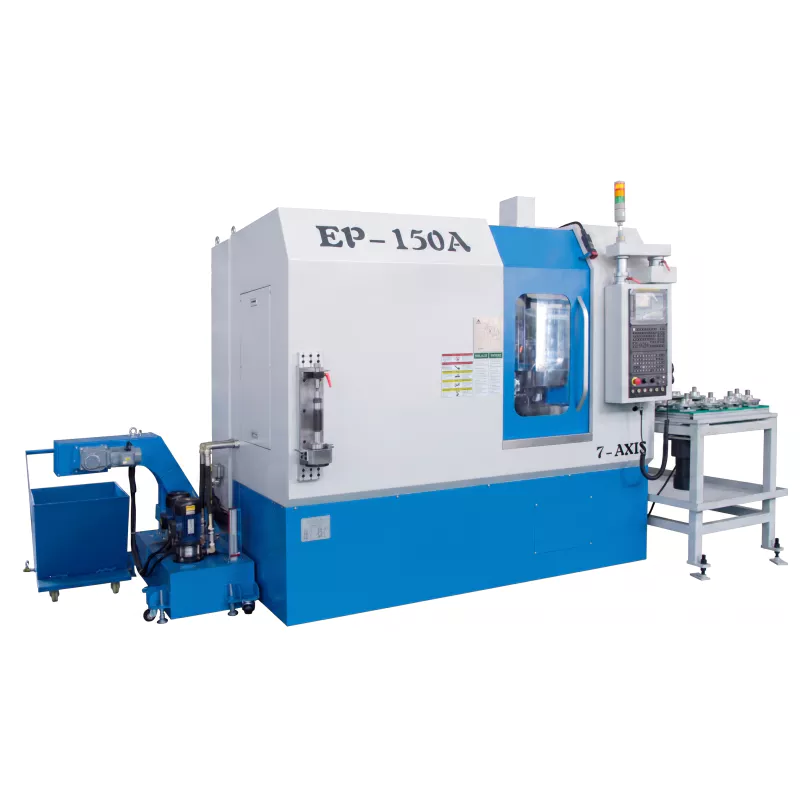
Our CNC Hobbing Machine: Built for Your Production Line
Our CNC Hobbing Machine is engineered to serve a wide range of gear types, production volumes, and accuracy requirements. We work with every customer to understand their specific application and recommend the right configuration — from machine size and axis count to CNC platform and automation options.
👉 View CNC Hobbing Machine Options →
👉 Get a Customized Machine Recommendation →